
Sprinkler System Design Basics

Understanding the Fundamentals of Sprinkler Design

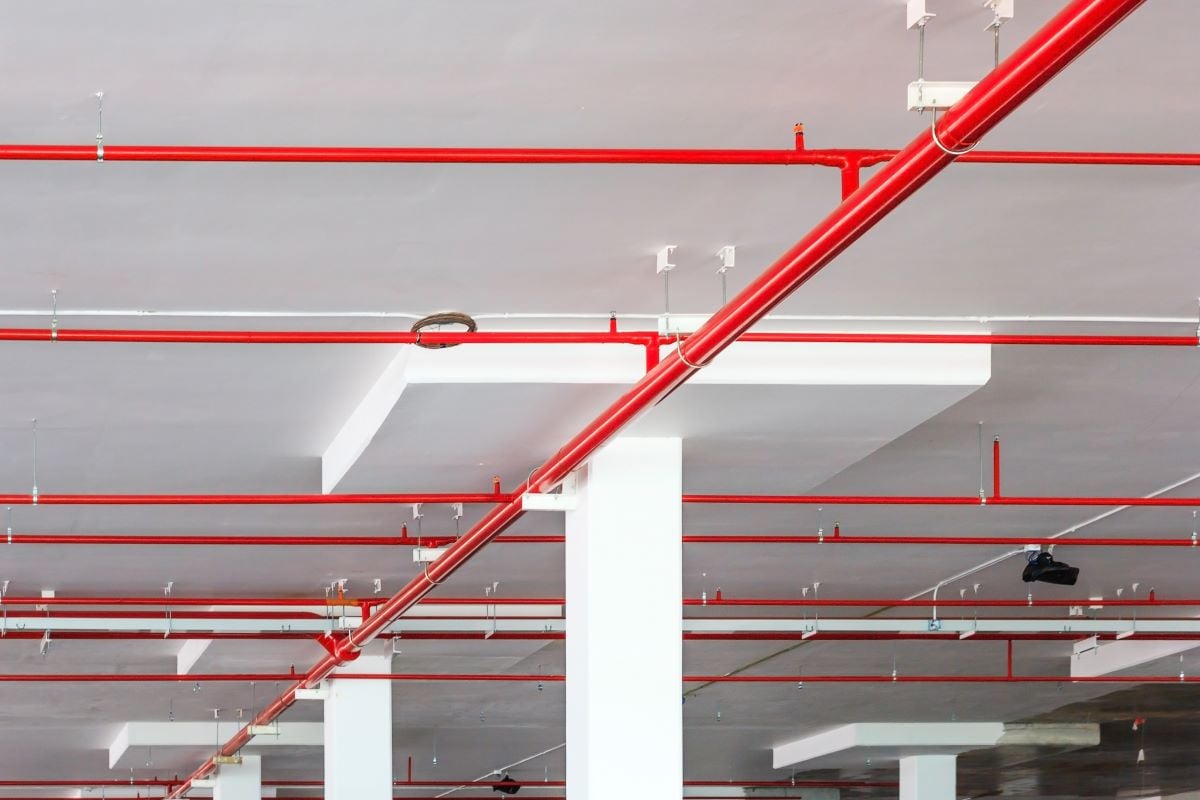
A sprinkler system is one of the most effective methods of controlling and suppressing fire.

Key Design Considerations

Hazard Classification

Buildings are classified based on fire risk:

Light Hazard

Ordinary Hazard

Extra Hazard

The classification determines water demand and sprinkler spacing.

Water Supply

The system must have sufficient water flow and pressure to meet design requirements.

Sprinkler Placement

Sprinklers should provide complete coverage while avoiding obstructions.

Pipe Network Design

Pipe sizing directly affects pressure and flow performance.

Hydraulic Calculations

Accurate calculations ensure the system performs as intended during a fire emergency.

Common Design Mistakes

❌ Incorrect hazard classification

❌ Inadequate water supply

❌ Obstructed sprinkler coverage

❌ Improper hydraulic calculations
Professional design ensures compliance and reliable fire protection performance.

  • Heat Exchanger for Fire Pump

    Heat exchanger for fire pump ensures cooling efficiency and reliable performance during firefighting operations.
  • Fire Pump Room Mistakes That Can Lead to System Failure

    Common fire pump room mistakes can cause system failure, risking safety and emergency response efficiency.
  • Why Annual Maintenance Contracts (AMC) Are Important

    Annual Maintenance Contracts ensure regular servicing, reduce breakdowns, and improve system reliability and lifespan.
  • Zero Discharge Plan

    Zero discharge plan aims to eliminate wastewater release through recycling and reuse systems.
  • Electrical Safety Audit Checklist

    Electrical safety audit checklist helps identify hazards, ensure compliance, and prevent electrical accidents effectively.

Contact Us

Authentic Engineers Bangladesh - Company Profile