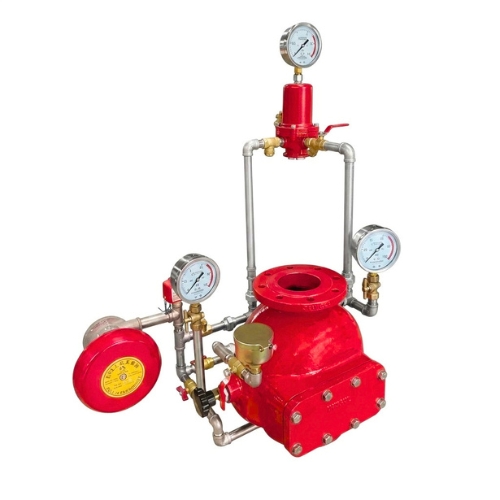
Valve, Water Suppression, Fire Safety

Dry Alarm Valve

★★★★★ 4.8 (236 Review) SKU: FGT-CSY-2026 Stock Available

Product Type: Alarm Valve
Origin: China
Brand: Any
Temperature: Ordinary Temperature
Connection: Flange
Pressure: Adjustable
Closed: Semi-Closed
Material: Ductile Cast Iron
Working Pressure: 1.6MPa
Strength Test: 6.4MPa
Service: OEM, ODM
Certificate: CCC and ISO

  • ✓ Hybrid Active Noise Cancelling (ANC)
  • ✓ 40-hour playback, fast charging.
  • ✓ Bluetooth 5.3 — stable low-latency connection.
  • ✓ Premium memory-foam cushions, all-day comfort.
Price
Call for Price
Offers and stock may be valid for a limited time.
12 Months Warranty Delivery All over Country 100% Original Product
What you're getting

A premium experience in every detail.

From sound to comfort — Aurora Pro is designed with all-day use in mind.

Active Noise Cancelling

Block out unwanted noise and focus only on your music.

40-hour battery.

Enjoy up to 40 hours of continuous use on a single charge, with 5 hours of playback from just a 10-minute charge.

Bluetooth 5.3

Fast and stable connection, supporting up to a 30-meter range.

Comfortable design.

Memory-foam ear cushions and a lightweight frame ensure zero pressure even after long hours of use.

Dry Alarm Valve Fire Safety


The Dry Alarm Valve Fire Safety is a key control component used in automatic dry-pipe sprinkler systems. It separates the pressurized water supply from the sprinkler piping, which is normally filled with compressed air or nitrogen. When a fire sprinkler operates and system air pressure falls sufficiently, the differential dry valve opens and allows water to enter the sprinkler network. The valve assembly can also operate hydraulic and/or electric alarm devices to notify personnel of water flow.


A properly selected Dry Alarm Valve is particularly useful in areas where freezing temperatures could damage water-filled sprinkler piping. The dry system keeps water out of the distribution pipe until activation, making this technology suitable for unheated or temperature-sensitive spaces.


Specifications:


Product Type: Alarm Valve

Origin: China

Brand: Any

Temperature: Ordinary Temperature

Connection: Flange

Pressure: Adjustable

Closed: Semi-Closed

Material: Ductile Cast Iron

Working Pressure: 1.6MPa

Strength Test: 6.4MPa

Service: OEM, ODM

Certificate: CCC and ISO

Transport Package: Plastic Protector, Foam and Box

Specification: DN100~DN200


Features of Dry Alarm Valve


  1. Differential dry-pipe valve design
  2. Separates water and air/nitrogen sides
  3. Suitable for automatic dry sprinkler systems
  4. Compressed-air or nitrogen supervision
  5. Automatic water admission after activation
  6. Hydraulic alarm operation
  7. Electric alarm pressure-switch compatibility
  8. Reliable clapper sealing mechanism
  9. External reset options on selected models
  10. Compact riser assembly configurations
  11. Pre-trimmed assembly options
  12. Grooved and other connection configurations
  13. Multiple valve sizes available
  14. UL Listed / FM Approved options
  15. Accelerator compatibility for selected systems
  16. Designed for fire protection applications


Benefits of Dry Alarm Valve


Protects Sprinkler Piping in Cold Areas

A Dry Alarm Valve keeps the sprinkler distribution pipe filled with air or nitrogen rather than water under normal conditions. This makes dry-pipe systems suitable for locations where water-filled piping could be exposed to freezing temperatures.


Automatic Fire Response

When sufficient air pressure is lost because a sprinkler operates, the valve opens and allows water to flow into the dry pipe network. This creates the water supply needed for sprinkler discharge.

Alarm Activation

The dry valve can be connected to a water motor alarm and/or electric pressure switch, providing local and monitored notification when the system trips.


Reduced Risk of Water Exposure

Keeping water out of the sprinkler distribution piping until activation can help reduce the risk of freezing and certain forms of corrosion or unwanted water exposure in unsuitable environments.


Flexible System Configuration

Dry alarm valves are available with different trim arrangements, including loose, modular and pre-trimmed options, helping contractors select an assembly appropriate for project requirements.


Advantages of Dry Alarm Valve


  1. Suitable for freezing environments
  2. Air/nitrogen-supervised sprinkler piping
  3. Automatic water admission during fire conditions
  4. Integrated alarm capability
  5. Differential operating principle
  6. Positive clapper sealing
  7. External reset options on selected models
  8. Accelerator compatibility
  9. Pre-trimmed riser options
  10. Multiple valve sizes
  11. Certified fire-protection configurations
  12. Compact installation options
  13. Suitable for critical commercial and industrial applications


Applications of Dry Alarm Valve


  1. Dry-pipe sprinkler systems
  2. Cold storage facilities
  3. Freezer areas
  4. Unheated warehouses
  5. Parking structures
  6. Loading docks
  7. Industrial buildings
  8. Manufacturing facilities
  9. Outdoor or semi-exposed areas
  10. Aircraft hangars
  11. Commercial buildings
  12. High-rise service areas
  13. Cold climate facilities
  14. Temperature-sensitive spaces


Reliable Dry Alarm Valve


A reliable dry alarm valve should provide consistent separation between water and air/nitrogen, dependable trip performance and stable alarm operation.

When selecting a valve, pay attention to:


  1. Approved pressure range
  2. Valve size
  3. Air/nitrogen requirements
  4. Connection type
  5. Trim configuration
  6. Alarm accessories
  7. Reset arrangement
  8. Certification
  9. Operating temperature
  10. Manufacturer installation requirements


Dry Alarm Valve Installation


Correct Dry Alarm Valve installation is essential because improper air piping, trim configuration, drainage or valve orientation can affect system performance.

Important considerations include:


  1. Approved valve orientation
  2. Correct pipe size
  3. Compatible connection type
  4. Proper air/nitrogen supply
  5. Required air supervision
  6. Correct alarm trim installation
  7. Drain arrangement
  8. Pressure gauge installation
  9. Adequate maintenance clearance
  10. Proper system testing
  11. Compliance with approved fire protection drawings


Why Choose Dry Alarm Valve for Fire Safety?


Choose a Dry Alarm Valve Fire Safety solution when sprinkler piping must remain free of water during normal conditions because of freezing or other environmental considerations.

A properly specified dry valve provides:


  1. Automatic separation of water and air
  2. Rapid water admission after sprinkler activation
  3. Fire alarm initiation
  4. Air/nitrogen pressure supervision
  5. Flexible trim configurations
  6. Certified fire protection options
  7. Suitable operation for cold or unheated areas


Manufacturers such as Viking and Victaulic offer dry-pipe fire protection valves and systems with UL/cUL and FM approval options, demonstrating the availability of purpose-designed products for this critical application.


Conclusion


The Dry Alarm Valve is an essential control component for properly designed dry-pipe sprinkler systems. By maintaining compressed air or nitrogen in the sprinkler network and admitting water only after the required activation condition occurs, it helps protect fire suppression systems in areas where conventional water-filled piping is unsuitable.


For fire safety projects in Bangladesh or elsewhere, choose a reliable dry alarm valve based on system pressure, pipe size, environmental conditions, alarm requirements, certification and the approved sprinkler design. The exact manufacturer datasheet should always be used for final technical selection.


Size Any
Model Any
Origin USA or China
Warranty As per policy
A Dry Alarm Valve is a specialized fire protection valve used in dry-pipe sprinkler systems. It keeps water on the supply side while the sprinkler piping is maintained with compressed air or nitrogen during normal conditions. When a sprinkler activates and the air pressure falls to the required trip point, the valve opens and permits water to enter the sprinkler network.
A Dry Alarm Valve Fire Safety system is useful where water-filled sprinkler piping could be exposed to freezing or other unsuitable conditions. The dry arrangement keeps the distribution pipe free of water until the system is activated, reducing the risk of frozen water obstructing the sprinkler network.
When a sprinkler opens because of heat from a fire, compressed air or nitrogen escapes through the open sprinkler. The resulting pressure reduction causes the dry valve mechanism to release, allowing water from the supply side to enter the sprinkler piping. Continued water movement can then operate connected alarm devices.
A Dry Alarm Valve is used with a dry-pipe sprinkler system where the distribution piping contains air or nitrogen before activation. A wet alarm valve is used in a wet-pipe system where the sprinkler piping is already filled with water. The two valve types therefore serve different sprinkler-system arrangements.
A dry alarm check valve generally refers to a dry-pipe valve that performs water-flow control while also supporting alarm activation. Unlike an ordinary check valve, a dry-pipe valve uses a specialized differential mechanism to hold back water until the required pressure condition occurs.
Engineering Support

Need Expert Engineering Support?

From audits and engineering design to maintenance and complete project solutions, our experienced team is ready to support you.


20+ Years Experience 81+ Experts 1,000+ Projects Nationwide Support
Popup Image